To many passengers, a long-haul flight looks deceptively simple from the cockpit’s perspective. Once the aircraft reaches cruising altitude and the autopilot is engaged, it is easy to imagine the pilots sitting back while the airplane essentially flies itself for the next 10 to 14 hours. Modern aircraft are incredibly automated, capable of controlling speed, altitude, navigation, and even portions of takeoff and landing. But automation only handles the physical mechanics of flying the aircraft; it does not replace the human decision-making, monitoring, communication, and risk assessment required to safely move hundreds of people across oceans and continents.
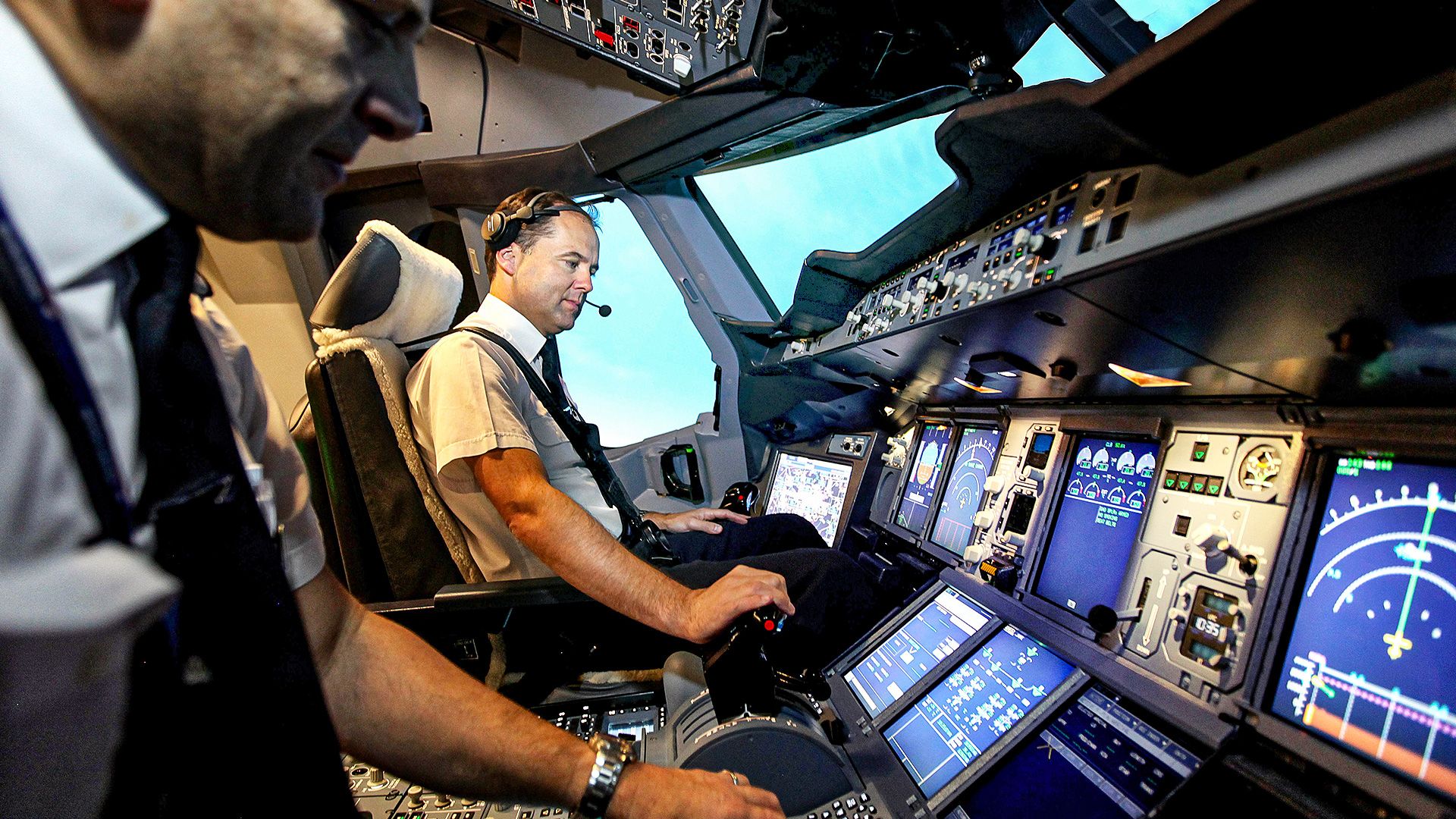
What Pilots Actually Do During A 14-Hour Flight When The Autopilot Is Handling Everything
Related Posts
-
Number of suspects in fatal Seattle food festival shooting rises to three
One suspect is in custody, while a second is being sought and a third is…
-
Australia news live: Anthony Albanese praises Sally McManus and Michele O’Neil as ‘giants’ as they step down from ACTU
Prime minister pays tribute to secretary and president of the Australian Council of Trade Unions…
-
5 Things Passengers Don’t Know About Premium Economy Dining In 2026
Premium Economy has become the engine of revenue growth for many mainline airlines, particularly on…
-
Wisconsin tornado causes extensive damage and cuts power to thousands
Tornado that blackened midday sky rips roofs off homes and flips vehicles in town of…